


A Night at the Britannia Panopticon Glasgow
By Jade Hughes
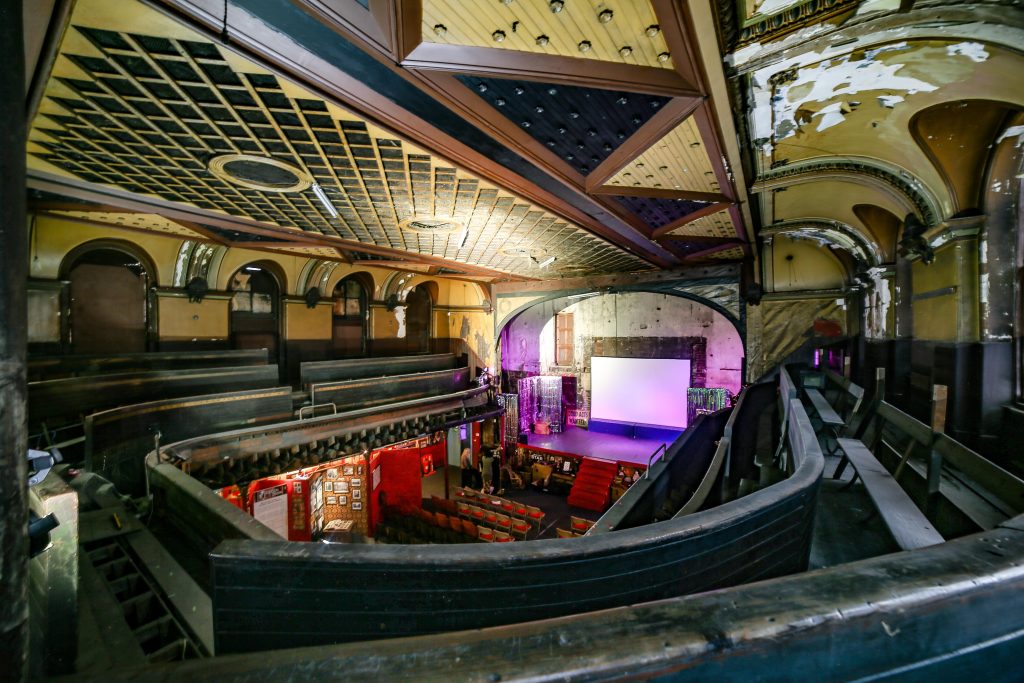
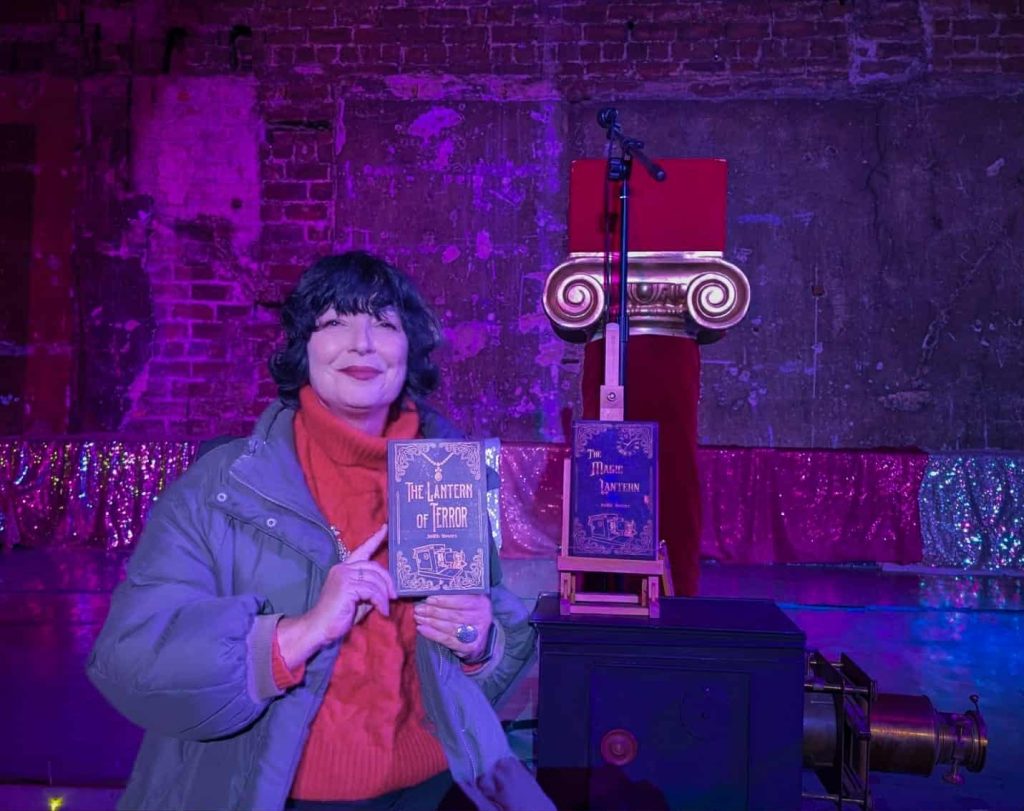
Walking into the Britannia Panopticon in Glasgow feels like stepping through a hidden door in time. It’s a moment that could be lifted straight from The Greatest Showman, with that same rush of colour, nostalgia, and pure showbiz sparkle. On this occasion, that sense of magic is amplified by the launch of The Lantern of Terror, the second book in a trilogy rooted in the history of this remarkable building.
The Magic Lantern Trilogy, written by Judith Bowers, is the driving force behind nearly three decades of preservation work at the Britannia Panopticon, shining a spotlight on the world’s oldest surviving music hall. Famed as the site of Stan Laurel’s stage debut, the Panopticon is far more than a historical footnote; it’s a place layered with hidden lives, lost performances, and stories waiting to be uncovered.
The Magic Lantern
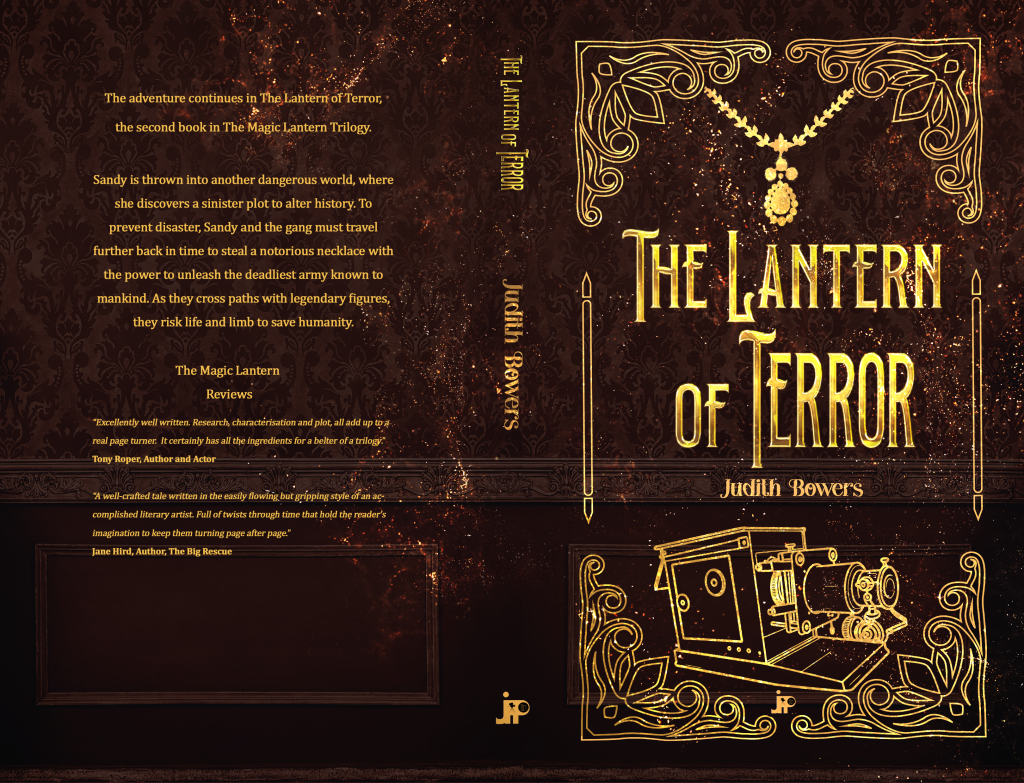
Set in 1908, the first Magic Lantern book begins on the night of the still-unsolved Marion Gilchrist murder—a case so infamous it captured the mind of Sir Arthur Conan Doyle. In fact, Conan Doyle himself appears as a character in the novels. Far more than the father of Sherlock Holmes, he was a real-life campaigner against miscarriages of justice and a central voice in the real Oscar Slater investigation. Detective Lieutenant John Thomson Trench, another historical figure who risked everything by speaking out about flaws in the case, joins him in the pages.
But this is not just history retold. Judith infuses the Panopticon with time travel, mystery, and the supernatural through the auditorium’s own haunted magic lantern—a genuine artefact that still exists within the building today. It becomes the portal that binds the three books, transporting characters (and readers) far beyond Glasgow before bringing them home again.
Blurring Fact and Fiction
The trilogy mixes history with fiction, blurring the lines between what truly happened and what might have been. Judith Bowers explains: “The intention is that people reading the book will question what is real and what isn’t, or what elements have been blended with other completely unrelated incidents or characters. Then I hope that the reader will go on a quest to find out the truth for themselves and in the process discover a lot more and develop a love for history and investigation/research.”
During the launch, Judith’s passion for the Panopticon shines through every story she tells about the building, but she has a particular fondness for the balcony: “My eye always goes up there. I suppose it is automatic for me to look up, especially since for the first five years campaigning for the music hall, the balcony was hidden above a false ceiling.” For her, it’s more than architecture—it’s a window into the past. “When I look up at the balcony, I can almost see the audience, watching and waiting for the show to start, getting ready to throw the first missile—everything from horse dung to shipyard rivets—at the act on the stage below.”
History Coming to Life
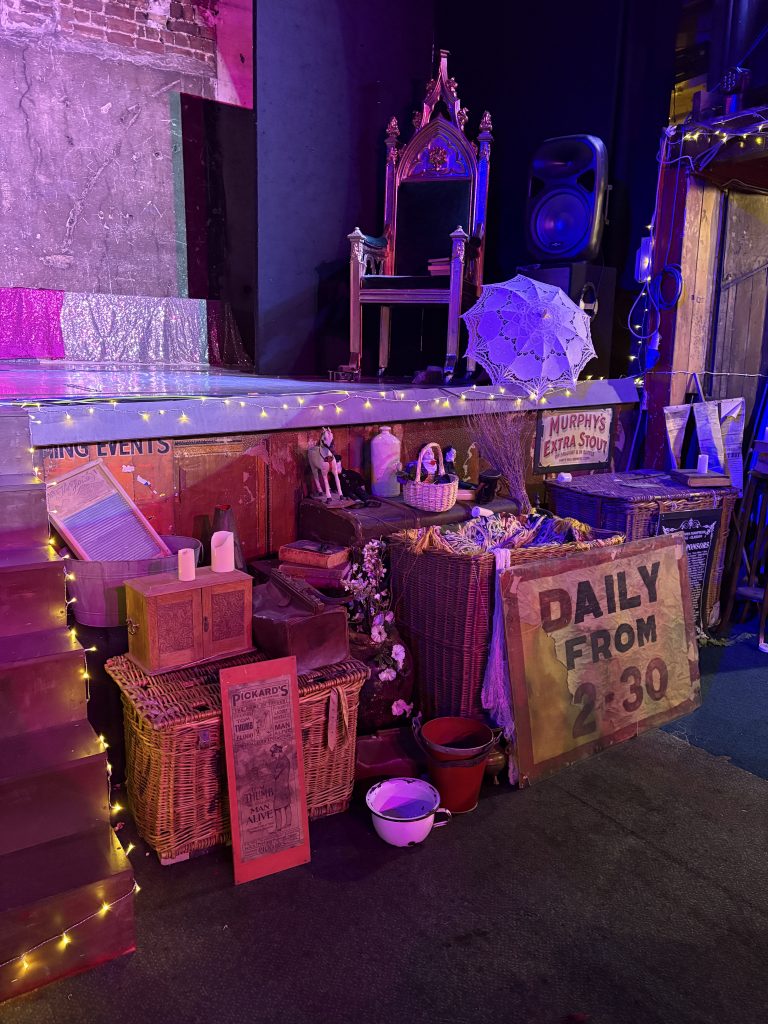
Through these vivid glimpses, the Panopticon’s history comes alive, connecting visitors to the laughter, mischief, and energy of its early audiences. And then there’s the stage itself…For decades, it was buried beneath a 1960s toilet block, until it was finally restored in 2015. As Judith says, “That stage is a wonder to me. It’s the same spot where Stan Laurel, Harry Lauder, Jack Buchanan, and even a teenage Cary Grant once performed. It sends shivers…” Standing there, it’s hard not to feel the same!
What Judith hopes, both with the trilogy and her conservation work, is simple: that more people step inside and see not a crumbling corner of Glasgow, but a living, breathing music hall poised on the edge of rebirth. Her long-term dream is to restore the building from basement to attic and reopen it as a working Victorian music hall—complete with costumed bar staff, old-style entertainments, and a chance to taste the nightlife of another century.
If my evening at the launch taught me anything, it’s that the magic is already there. All it needs is more people willing to step through that door and witness it for themselves.
Find out more
Curious to explore Judith Bowers’ Magic Lantern world?
You can order via Jasami Publishing.
To delve deeper into the story of the building itself, Glasgow’s Lost Theatre: The Story of the Britannia Panopticon in Glasgow, offers a richly detailed account of the venue’s past, present, and possible future, available via Amazon.